
Smoldering Embers, Stray Bullets, and Your Commercial Roof: Why 2026’s Record Fireworks Season Is a Fire Test You Don’t Want to Fail
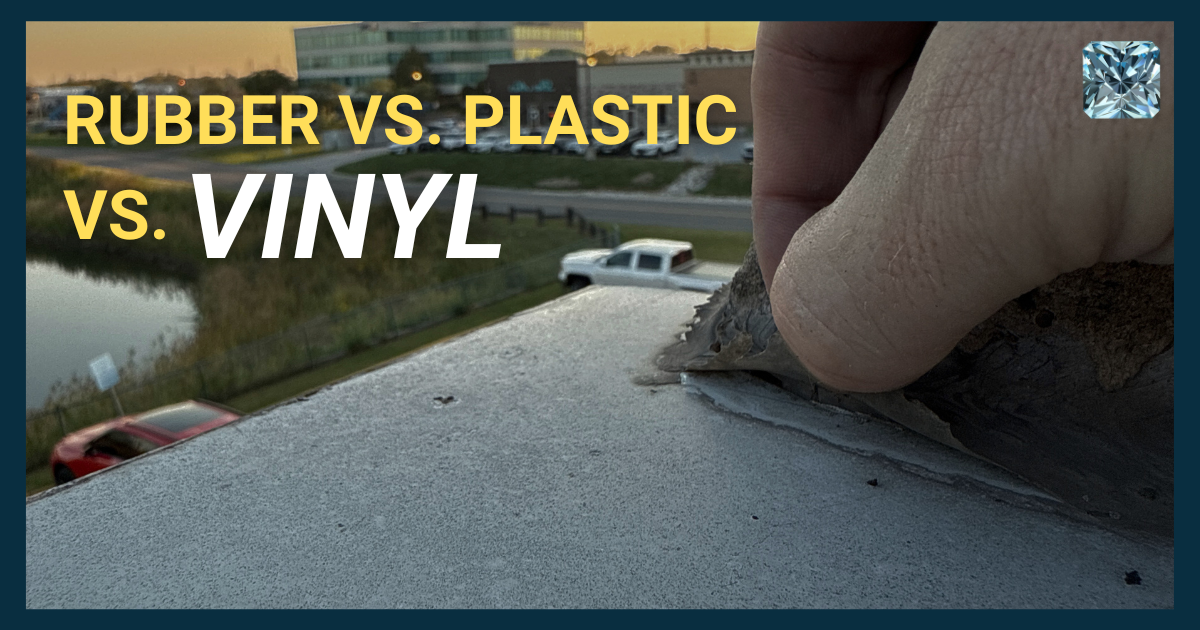
Why Your Roof's Material Is the Only Thing That Matters When the Embers Land Rubber Burns. Tar Is Fuel. TPO Won't Stop. Here's the One Membrane That Puts Itself Out.
🔲 Why 2026 is different. The industry itself is calling America’s 250th the biggest fireworks year ever, and what that means for the buildings underneath.
🔲 What actually lands on your roof. Embers, spent shells, and even falling bullets, the real-world fallout of a holiday weekend in the Region.
🔲 The chemistry that decides everything. Why one membrane self-extinguishes in seconds while the others keep burning for minutes.
🔲 The restaurant grease multiplier. Why a kitchen rooftop is the single most dangerous flat roof on the block heading into July.
🔲 What “fire-rated” really means, and the honest, no-scare-tactics way to find out what your roof is made of before the Fourth.
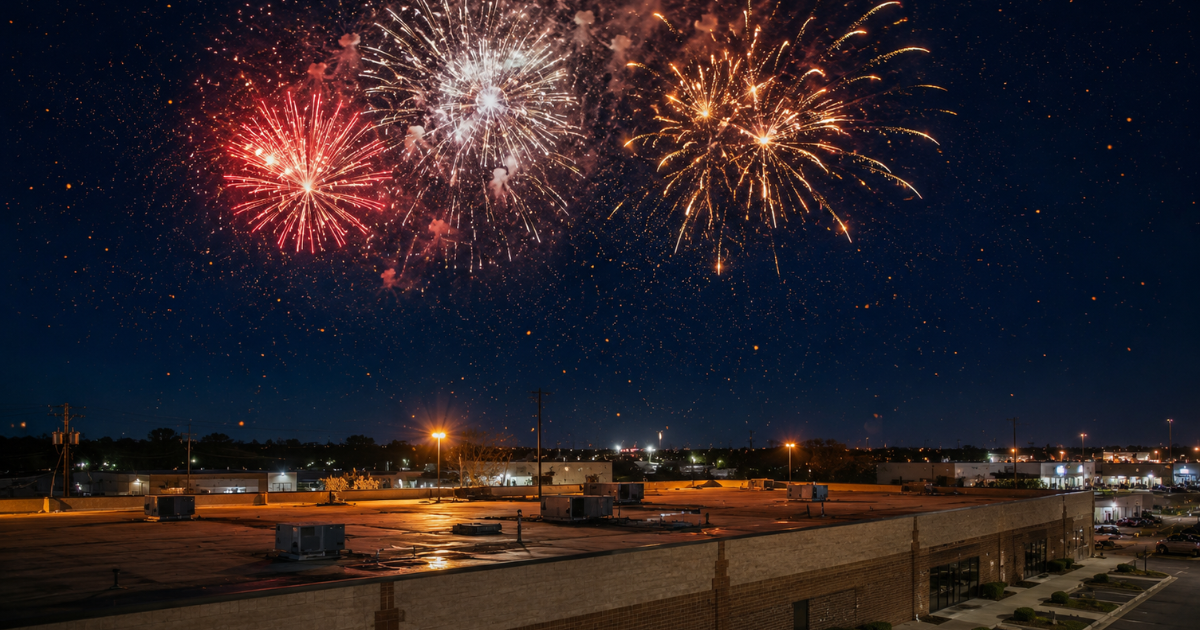
America’s 250th birthday is on track to set off the biggest fireworks season in the nation’s history, and Northwest Indiana sits right at the center of it.
Every spent shell, every glowing ember, every falling bullet has to come down somewhere. On a commercial flat roof, the material underneath that fallout is the only thing standing between a harmless scorch mark and a total loss.
Here’s the chemistry of fire-rated roofing, and why rubber, tar, and TPO “plastic” are essentially playing with matches.
5 Key Stats (The Quick Version)
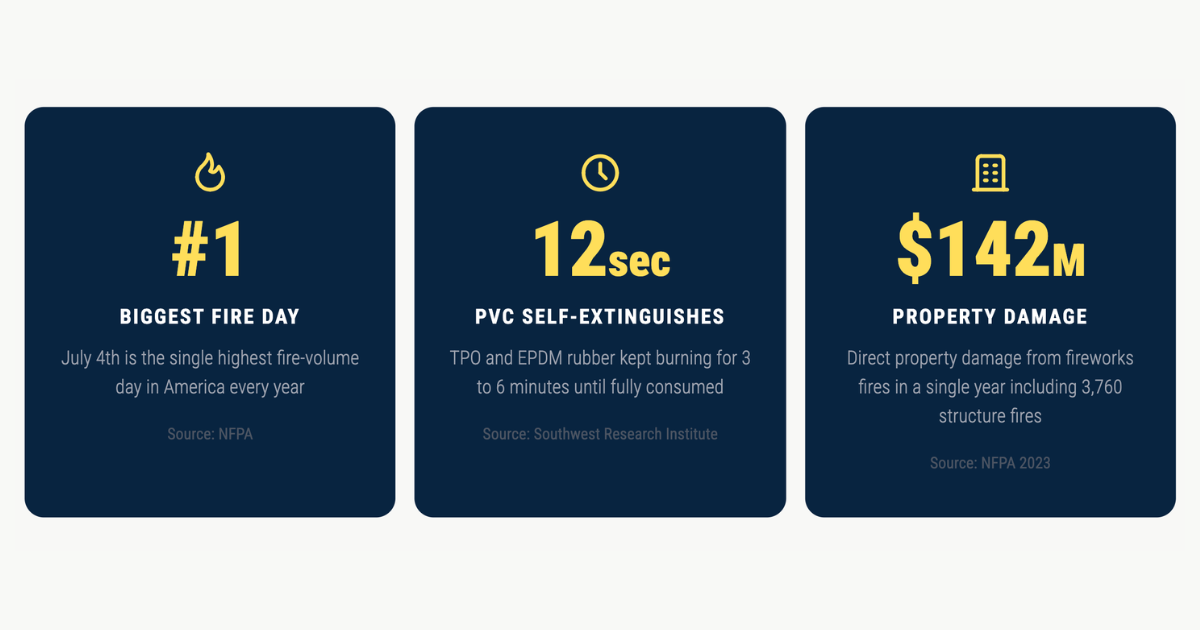
July 4th is the #1 fire day in America, more fires are reported on that single day than any other day of the year, and fireworks cause roughly two out of every five of them. (National Fire Protection Association)
In one year, fireworks started an estimated 32,302 fires and caused $142 million in direct property damage, including 3,760 structure fires. (NFPA, 2023 data)
In a side-by-side burn test, a fire-rated PVC (vinyl) sample self-extinguished in about 12 seconds after the flame was pulled away, while TPO and EPDM rubber kept burning for three to six minutes until they were completely consumed. (Southwest Research Institute)
Americans set off roughly 275 million pounds of fireworks a year, about 250 million pounds of that is consumer fireworks going off in backyards and parking lots, not professional shows. (American Pyrotechnics Association)
Northwest Indiana is widely called “the unofficial fireworks capital of America,” because Illinois bans most consumer fireworks and sends a flood of cross-border buyers into Lake, Porter, and LaPorte county superstores. (Regional reporting)
This Year, the Sky Is Going to Be Busier Than Ever
Let’s start with the thing everyone in the Region already feels in their chest every summer: it is loud out there. And in 2026, it’s going to be louder.
July 4, 2026 marks 250 years since the signing of the Declaration of Independence, the semiquincentennial. The fireworks industry is not being shy about what that means. The American Pyrotechnics Association has publicly predicted a banner year for consumer fireworks sales, and industry leaders quoted in national coverage have flatly called 2026 the year demand is expected to be record-breaking. Even the federal celebration is leaning all the way in, with a planned national display large enough to chase a Guinness World Record.
Translate that out of headlines and into reality on the ground: more shells in the air, more of them launched by amateurs, and more of them coming down on rooftops across Gary, Merrillville, Hobart, Crown Point, Hammond, and Valparaiso. The fallout doesn’t evaporate. It lands.
And here’s the part most building owners never think about until it’s too late, the most exposed surface on your entire property is the one you never look at. Your flat commercial roof is a wide-open landing pad, and on the first weekend of July it becomes the catch-basin for a whole neighborhood’s worth of burning debris.
What Actually Comes Down on a Commercial Flat Roof
When a consumer firework goes up, three things come back down: the spent casing, the still-glowing “stars” that haven’t fully burned out, and a rain of sparks. A single sparkler burns at temperatures north of 1,200°F. Multiply that by thousands of launches across a six county area compressed into one weekend, and you understand why fire officials see the Fourth the way they do.
Then there’s the quieter hazard nobody likes to talk about: celebratory gunfire. People fire rounds into the air to celebrate, and physics does the rest. A falling bullet doesn’t gently float down, depending on the round, it can return to earth fast enough to penetrate skin, crack bone, and absolutely punch through a roof membrane and the decking below. Roofing crews have a grim rule of thumb: they see bullet-strike roof damage twice a year, right after New Year’s and right after the Fourth of July. A puncture you can’t see is a slow leak you’ll be chasing for months.

So the question isn’t whether your roof takes fire on the Fourth. In a place like Northwest Indiana, it does. The question is what happens in the ten seconds after a glowing ember settles onto the membrane.
That’s where chemistry takes over.
The Chemistry That Decides Whether Your Roof Burns
Here’s the single most important sentence in this entire article: not all flat roofs react to fire the same way, because they aren’t made of the same stuff. What your roof is made of determines whether a stray ember leaves a black smudge, or starts a fire that feeds itself.
Let’s walk the lineup.
Rubber (EPDM). EPDM is a synthetic rubber, and rubber is, at its core, a petroleum product. On its own it’s combustible, its resistance to flame is low enough that, without
fire-retardant fillers, it will sustain a burn in ordinary air. When an ember sits on aged rubber, you don’t have much working in your favor.
TPO, what we honestly just call “plastic.” TPO is a thermoplastic with no chlorine in it, and once plastic catches, it behaves exactly like plastic: it keeps going. There’s a reason we don’t install it. Once it’s lit, it doesn’t want to get un-lit. It depends entirely on additives to slow a flame down, and research from the Midwest Roofing Contractors Association notes that those fire-resistant properties can fade over the years as the membrane ages.
Tar and built-up roofs (BUR). Bitumen, asphalt or coal tar, is a hydrocarbon. That means it is, by definition, fuel. A tar roof can be built into a rated assembly, but the protective top layer wears thin under foot traffic and sun, and what’s left underneath is a fuel source baking in the Indiana heat. A “little dollop and stripe” of fresh tar over an aging tar roof doesn’t change that math.
Fire-rated PVC (vinyl), he one that behaves differently. PVC is made partly from chlorine, and that chlorine is the hero of this story. It makes the membrane inherently fire resistant and self-extinguishing. In plain English: when the flame source goes away, the fire goes out on its own.
You don’t have to take a roofer’s word for it. In a controlled burn test by the Southwest Research Institute, samples of vinyl, TPO, and EPDM were all ignited. When the flame was pulled away, the PVC sample self-extinguished in roughly 12 to 13 seconds. The TPO and the rubber? They kept burning for three to six minutes, until they were completely consumed.
Read that again. Same ember, same conditions. One membrane snuffs itself out before you could walk across the room. The other two burn until there’s nothing left to burn.

The Restaurant Grease Multiplier
Now layer on the part that should keep every restaurant owner in the Region up at night.
If you run a kitchen, your rooftop exhaust fan has been quietly painting your roof with grease for years. That grease doesn’t just sit there harmlessly, it’s an added fuel load, and it actively attacks the wrong membranes. On a tar roof, grease turns the surface soft and spongy. On rubber, it causes the membrane to swell and break apart, grease literally eats through the petroleum base of a rubber roof. Industry estimates suggest more than 80% of food-service facilities show roof deterioration from exhaust discharge, which is exactly why NFPA 96 requires that grease accumulation be controlled in the first place.
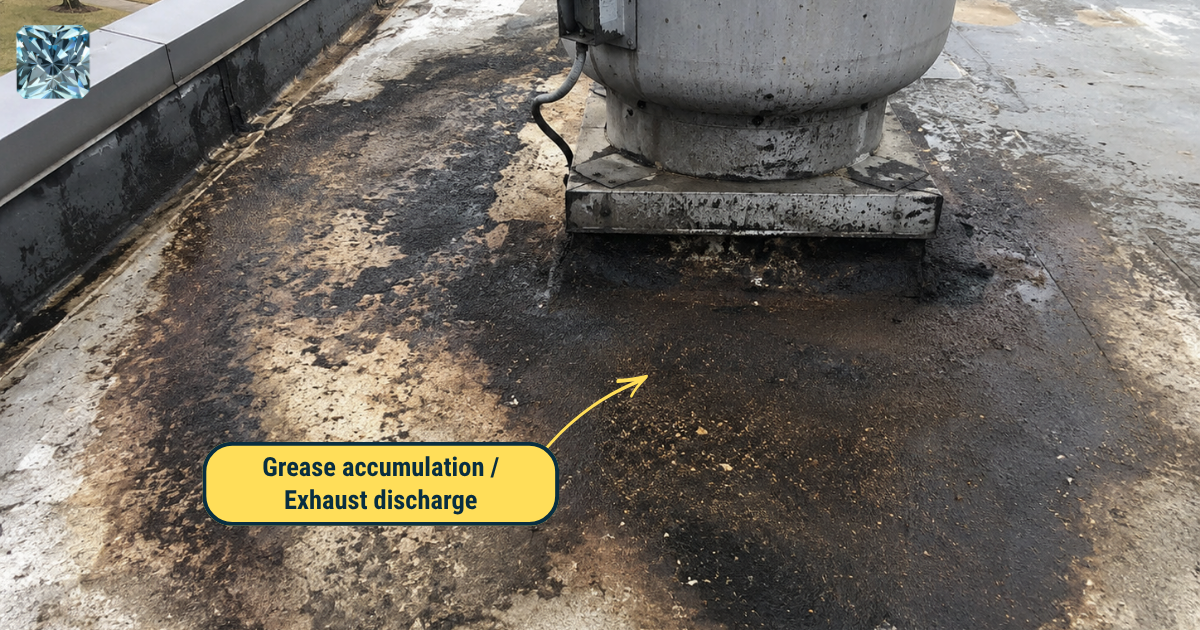
Picture the worst case, because it’s not hypothetical in a town full of fireworks: a grease soaked rubber or tar membrane, sitting next to a hot exhaust fan, on the busiest fireworks weekend in American history, when a glowing ember drops out of the sky. That is a fire that has everything it needs to start and nothing telling it to stop.
PVC’s chlorine chemistry is the reason it shrugs off grease, oils, and fats, and that same chemistry is the reason it shrugs off flame. For a commercial kitchen, fire-rated vinyl isn’t a luxury upgrade. It’s the membrane that was designed for the building you actually operate.
What “Fire-Rated” Actually Means (No Fine Print)
You’ll hear the term “Class A” thrown around. Here’s the honest version, because we don’t believe in scaring you with words you can’t check.
Roof coverings are tested to a national standard (UL 790, also called ASTM E108) and sorted into three classes based on how they handle fire exposure: Class A (the highest, flame spread held to the tightest limit), Class B, and Class C. The rating applies to the whole installed system, not just the bare material, which matters, and which is why we’ll always talk to you about the assembly, not just hand you a brochure.
Here’s the fair, defensible truth: almost any membrane can be built into a Class A assembly. But fire-rated PVC starts the race with the chemistry already on its side and holds onto that fire resistance longer than petroleum-based options that lean on additives. You’re not bolting safety on after the fact. It’s baked in.
There’s a business angle here too. Insurers increasingly look at roof fire classification when they underwrite and renew commercial policies, and higher-rated systems read as lower risk. A fire-rated roof can support smoother approval, cleaner renewals, and — depending on your carrier — better terms. Worth a conversation with your agent.
One Quick Question Before You Read On
Do you actually know what your commercial roof is made of?
Most owners don’t, and the Fourth of July is a hard deadline to find out. Drop your email and we’ll send you a free Fire-Risk Roof Profile: we’ll identify your membrane type, flag your grease and storm exposure, and tell you straight whether you’re carrying real risk into fireworks season. No pressure, no scare tactics, just the truth about your roof.
→ [Enter your email to get your free Fire-Risk Roof Profile before July 4]
Frequently Asked Questions
Can fireworks really start a fire on a flat commercial roof?
Yes. A flat roof is the most exposed surface on your building and acts as a landing pad for spent shells, glowing “stars,” and sparks. Fireworks cause roughly two of every five fires on July 4th, the single biggest fire day in the country.
Which commercial roofing material is the most fire-resistant?
Fire-rated PVC (vinyl). Because it contains chlorine, it’s inherently fire-resistant and self-extinguishes when the flame source is removed. In a Southwest Research Institute burn test, PVC self-extinguished in about 12 seconds while TPO and EPDM kept burning for minutes.
Is TPO fire-rated?
TPO has no chlorine and relies on added fire retardants to resist flame, and those properties can weaken as the membrane ages. It’s a plastic, and once plastic ignites it tends to keep burning. That’s a core reason we don’t install it.
Does EPDM rubber burn?
On its own, yes. EPDM is a petroleum-based synthetic rubber that’s combustible without fire-retardant fillers, and rooftop grease accelerates its breakdown.
Why are restaurant roofs at higher fire risk?
Kitchen exhaust deposits grease across the membrane, adding fuel and degrading rubber and tar roofs. A grease-laden, non-fire-rated roof near a hot exhaust fan is the highest-risk flat roof on the block during fireworks season.
What is a Class A fire rating?
Class A is the highest exterior fire classification under UL 790 / ASTM E108. It applies to the installed roof assembly, not just the raw material, so the system matters as much as the membrane.
Can a stray bullet really damage my roof?
Yes. Celebratory gunfire sends rounds up that come down fast enough to puncture a membrane and decking. Roofers commonly see bullet-strike damage twice a year, after New Year’s and after the Fourth.
Will a fire-rated roof lower my insurance?
It can help. Many carriers factor roof fire classification into underwriting and view higher-rated systems as lower risk, which can affect eligibility, renewals, and terms. Confirm specifics with your agent.

Don’t Wait for the Smoke to Find Out
A roof is one of the largest assets your building has, and protecting it well is simply good stewardship of what you’ve been entrusted with. You can’t control how many shells your neighbors launch this year, and in 2026, it’ll be more than ever. But you can control the one thing that decides the outcome: what’s underneath when the embers land.
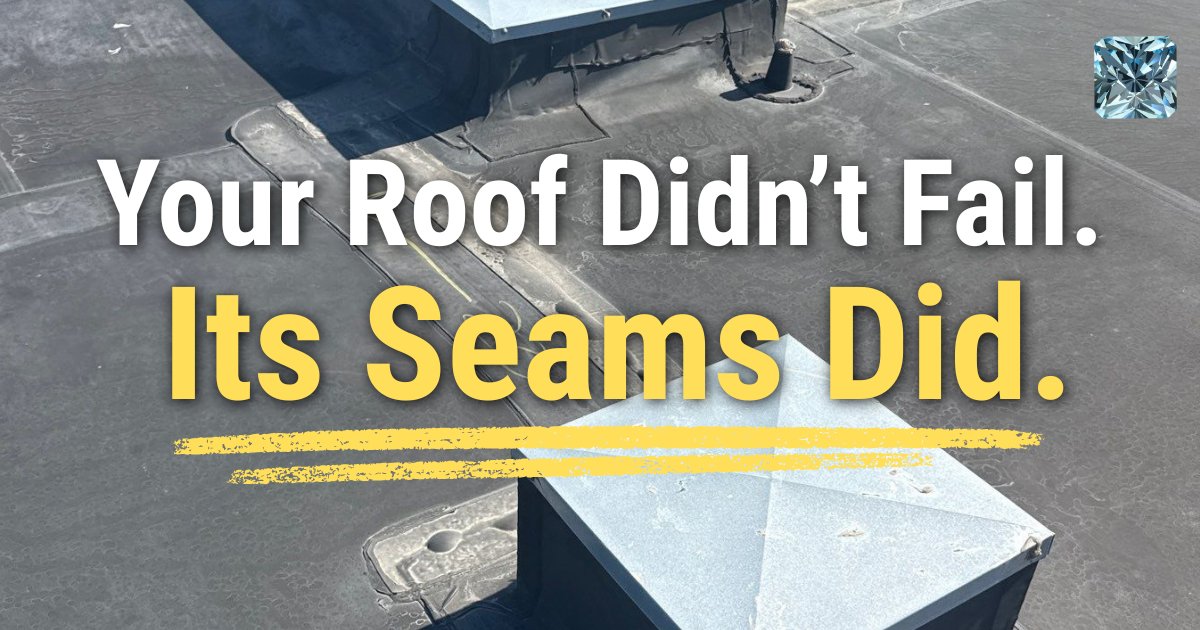
Rubber burns. Tar is fuel. TPO is plastic that won’t quit once it’s lit. Fire-rated vinyl puts itself out. That’s not a sales pitch — it’s chemistry, and it’s measurable in seconds.
Find Out Where You Stand, Before the Fourth
One question, one email, one straight answer. Tell us your building’s address and we’ll pull your roof from the sky, identify your membrane, and send you a free, no-obligation Fire-Risk Roof Profile with our honest read on your exposure heading into fireworks season.
→ [Enter your email and get your free Fire-Risk Roof Profile]
Serving commercial and industrial property owners across Lake, Porter, LaPorte, Jasper, and Newton counties in Indiana, plus Berrien County, Michigan.
Appendix: Sources & Further Reading
Anchor data and authoritative references used in this article, for the reader who wants to verify every claim.
Fireworks fires & property damage
National Fire Protection Association (NFPA), Fireworks Fires and Injuries report (2023 data): 32,302 total fires; 3,760 structure fires; $142 million in direct property damage; July 4th as the highest fire-volume day, with fireworks causing ~2 of every 5. nfpa.org
U.S. National Park Service, Fire Prevention 52: Celebrating the Fourth of July with Fire Safety in Mind (reproduces NFPA fireworks data). nps.gov
Fireworks volume & the 2026 / 250th outlook
American Pyrotechnics Association — Industry Facts & Figures (≈275 million lbs/year; ≈250 million lbs consumer); APA press release predicting a banner consumer-sales year for America’s 250th. americanpyro.com
National news coverage (CNN, Axios, The Hill) on record-breaking 2026 demand and the planned record-setting national display. axios.com / thehill.com
Roofing material fire performance
CFFA Vinyl Roofing Division, The Fire Resistance of PVC (Vinyl) Roofing — Southwest Research Institute burn test: PVC self-extinguished in ~12–13 seconds vs. 3–6 minutes of continued burning for TPO and EPDM. vinylroofs.org
Sika (Sarnafil) and GAF technical literature on PVC self-extinguishing behavior and flame-spread resistance. usa.sika.com / gaf.com
FibreTite, Fire-Resistant Roofing — citing Midwest Roofing Contractors Association on TPO/EPDM/modified-bitumen losing fire resistance over time. fibertite.com
UL 790 / ASTM E108 roof fire classifications (Class A/B/C); ratings apply to the installed assembly. Carlisle SynTec; Intertek.
Restaurant rooftop grease
Jurin Roofing — The Importance of Rooftop Grease Containment (>80% of food facilities show exhaust-related roof deterioration; bitumen softening). jurinroofingflorida.com
Halo Restoration Services — Dangers of Grease Accumulation on Commercial Rooftops (EPDM swelling and breakdown; added fuel load). halorestorationservices.com
NFPA 96 — Standard for Ventilation Control and Fire Protection of Commercial Cooking Operations.
Celebratory gunfire / falling bullets
Annals of Thoracic Surgery (2006) and PMC review (2018) on falling-bullet terminal velocity and penetration thresholds.
CDC MMWR (2004), New Year’s Eve Injuries Caused by Celebratory Gunfire — Puerto Rico, 2003.
Insurance / risk
GN Exteriors, UL 790 and ASTM E108 Fire-Rating Compliance Guide (insurer underwriting use of roof fire classification).
Insurance Information Institute, Facts + Statistics: Fire. iii.org
Note: certain burn-test and membrane-performance figures originate with industry and manufacturer sources; they are consistent with PVC’s chlorine chemistry but are cited here as industry data, not neutral government findings. Fire ratings are assembly-dependent — any membrane can, in principle, be installed in a Class A assembly.
Read other blog:

We Love Conversations
 SoHelpful@PristineIndustrialRoofing.com