
Roof Chemistry Has Improved Significantly. Are You Up To Speed?
💭 How would you like your chemistry lesson today?
Old materials fail. New materials endure ⏱️. Here's why in 90 seconds:
Welcome to chemistry class. Grab your coffee ☕. We're about to save you $100,000 in mistakes.
Your roof is older than your favorite dad joke. Time for some new material! 🥁
Tu techo está hecho de química 🇪🇸.
POP QUIZ: What percentage of buildings still install 1980s rubber in 2025?
Rather watch than read?
The Materials We Buried
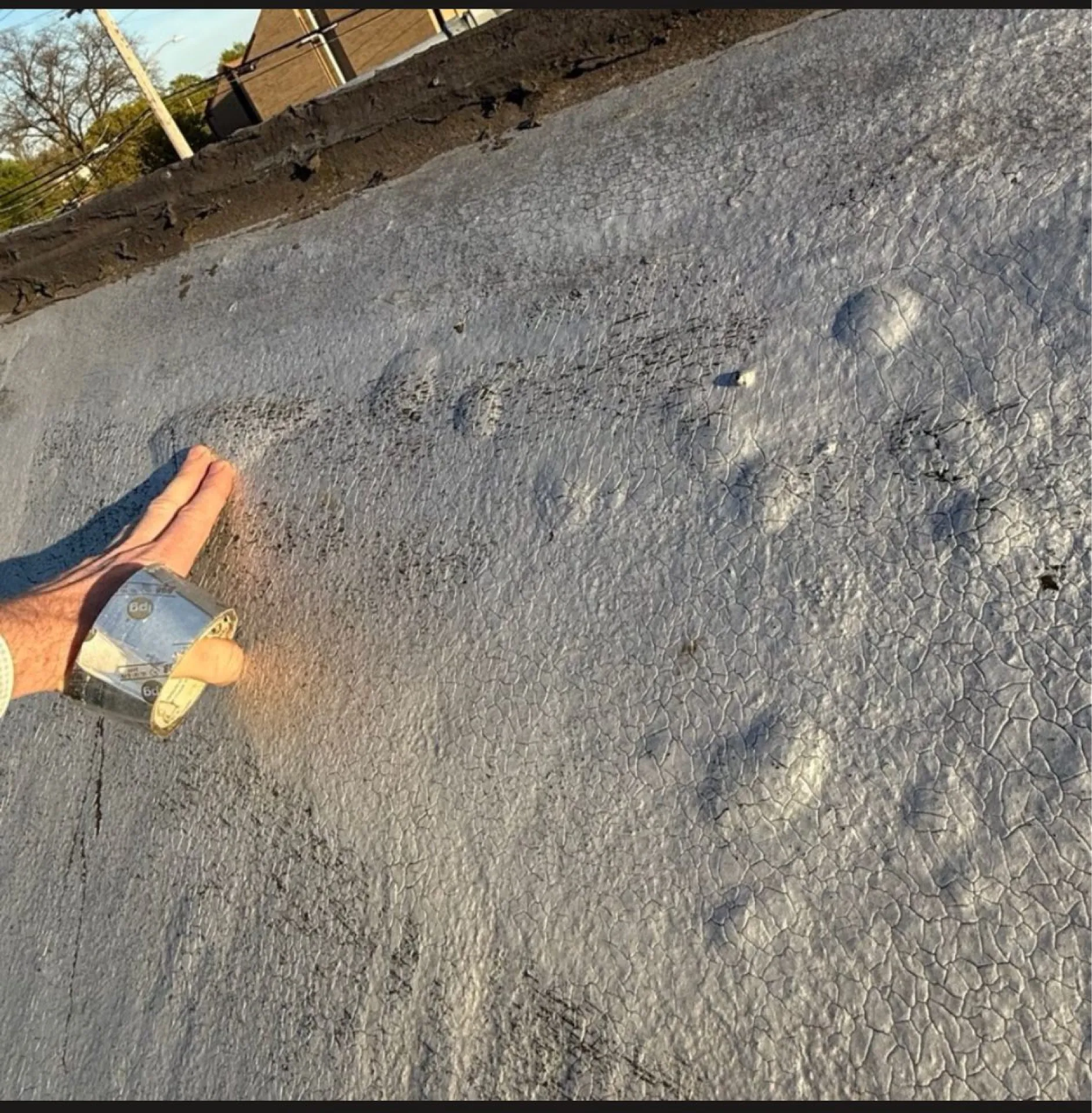
RUBBER †1995
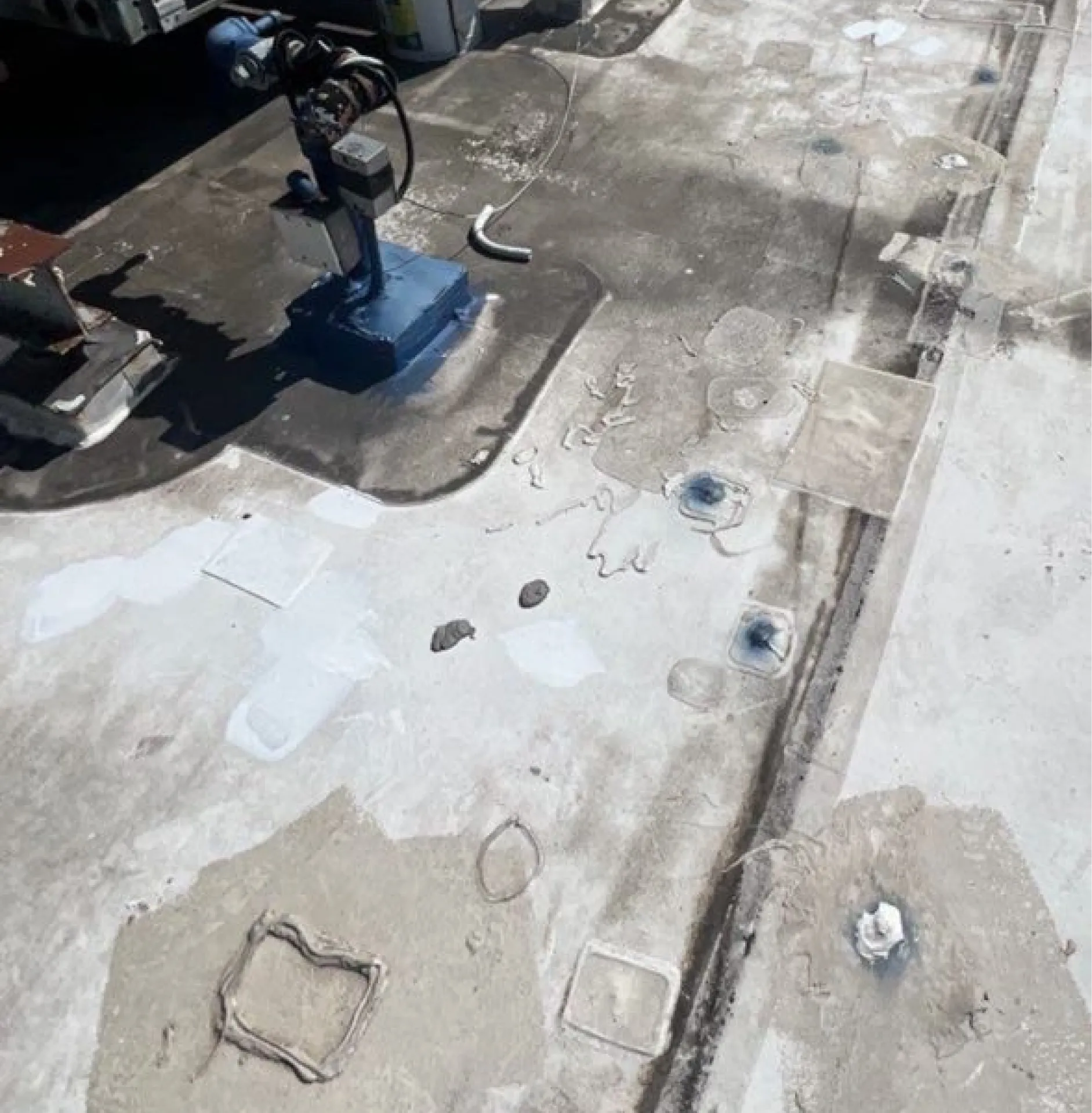
PLASTIC (TPO) †2010
SILICONE †2018
Birth Certificates For Modern Materials
ACRYLIC - SNOW LEOPARD 🐆
URETHANE - AFFINITY 🤝
VINYL - FLEXION 2.0 🛡️
POP QUIZ: How many roofing layers are legally allowed in Indiana?
Want to see application in action?
%201.webp)
You don't buy a truck once.
🧮 Let's Calculate YOUR Reality:
Tired of comparing apples to apples? A-pear-antly, comparing pears to pears isn't a-peel-ing either 🍐
Frequently Asked Questions
Still Have Questions? Contact Us
My roofer recommended TPO. Is that still a good choice?

TPO was popular, but it has limitations—especially in industrial environments like Northwest Indiana. UV degradation, plasticizer migration, and shrinkage are real issues. It also can't be recoated, meaning full tear-off when it fails. Ask your roofer about newer chemistry options before committing.
What's wrong with my current rubber (EPDM) roof?
Rubber roofs bubble, split at the seams, and degrade after 12-15 years. The material reaches 180°F in summer, causing thermal expansion that eventually pulls seams apart. If your rubber roof is over 10 years old, it's worth evaluating before emergency repairs start piling up.
Can I coat over my existing roof instead of replacing it?
Often, yes. Modern urethane systems like Affinity bond molecularly to rubber, TPO, tar, metal, and most existing materials. This saves tear-off costs ($10,000+), preserves existing insulation, and doesn't count as a new roof layer under Indiana's two-layer limit. Pristine Industrial Roofing can assess whether your roof is a candidate.
Why do you have a whole website dedicated to silicone?
Because silicone deserves its own warning label. It attracts dirt, becomes dangerously slippery, can't be cleaned without damage, and costs $3/sq ft just to remove. We see too many building owners regretting silicone. Get the full story at SiliconeIsSilly.com.
What's the difference between PRICE and COST?
Price is what you pay today. Cost is what you pay over 20 years—including maintenance, repairs, energy bills, and eventual replacement. A cheaper roof upfront often costs far more over its lifetime. Understand the true economics at BigBeautifulRoofBill.com.
How do modern coatings handle hail?
Acrylic systems with Spunflex reinforcement achieve Class 4 hail rating—that's a 2-inch steel ball dropped from 20 feet without damage. This often qualifies for 15% insurance rate reductions. Ask your insurer about credits for impact-resistant roofing.
How long do these modern systems actually last?
With proper maintenance, coated systems can last indefinitely through periodic recoating. The base application typically carries a 20-year warranty, then a simple recoat extends it another 20 years—without tear-off. Learn why maintenance matters at WeWashFlatRoofs.com.
Does the warranty actually cover anything useful?
Warranties vary dramatically. Some cover materials only, others include labor. Some have exclusions that void coverage for common issues. Understand what you're actually getting at YourWarrantySaysWhat.com.
I got a much cheaper quote from another contractor. Why?
Cheaper quotes often mean older chemistry, thinner applications, or corners being cut on prep work. The materials matter, but so does who's applying them. Understand what you sacrifice with bargain pricing at YouReapWhatYouCheap.com, and meet the crews who actually do the work at MeetYourInstallers.com.
What if I'm not sure what's on my roof now?
That's common—many building owners inherit roofs without documentation. Pristine Industrial Roofing provides free assessments to identify your current system and recommend the best path forward.
I'm a tenant dealing with roof leaks. Can I request specific materials?
You can make recommendations, but the building owner decides. If your landlord won't address roof issues, learn about your rights and formal request options at TenantRoofRights.com.
Can a new roof system help with energy costs?
Absolutely. Reflective acrylic coatings bounce 87% of solar heat, reducing cooling costs by up to 25%. Schools and nonprofits may qualify for additional energy rebates—see SchoolEnergyRebates.com for details.
We Love Conversations
 SoHelpful@PristineIndustrialRoofing.com
